
Concrete Resurfacing vs Exposed Aggregate: Cost, Durability and Looks
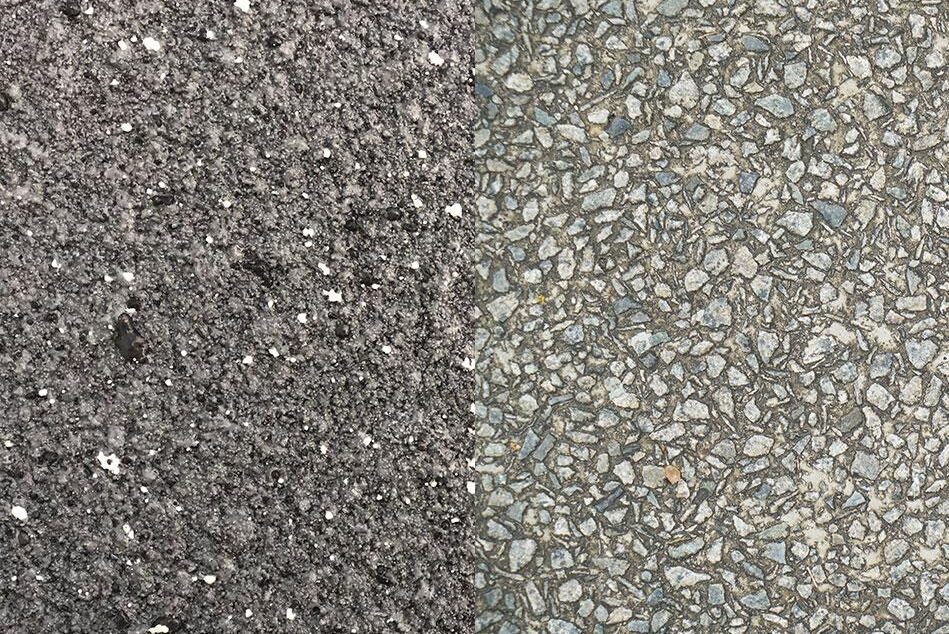
If you want the look of exposed aggregate without the cost of pouring a new slab, concrete resurfacing is usually the answer. Resurfacing lays a thin flecked overlay over your existing concrete to mimic the salt-and-pepper look of exposed aggregate, while true exposed aggregate means pouring new concrete with the stone exposed on top. From a few metres away the two can look similar, but they are very different jobs on cost, time, disruption and surface feel.
I’ve spent twenty years resurfacing concrete across the Gold Coast to Redlands, and the exposed-aggregate question comes up on a lot of quotes. This guide compares the two on cost, durability, looks, installation, maintenance and suitability, so you can work out which option suits your driveway, patio or pool surround before you call anyone.
Concrete Resurfacing vs Exposed Aggregate: The Short Answer
For most existing driveways and patios, concrete resurfacing is the cheaper, faster choice. It starts from about $50 per square metre, can usually be finished in a day or two, and can achieve a flecked finish that mimics exposed aggregate. New exposed aggregate costs more and takes longer because it means pouring a new slab, but it gives the authentic stone texture underfoot.
Free On-Site Quotes, Gold Coast to Redlands
We come out, look at the surface, and give you a written price. No charge, no obligation.
The Two Options Explained
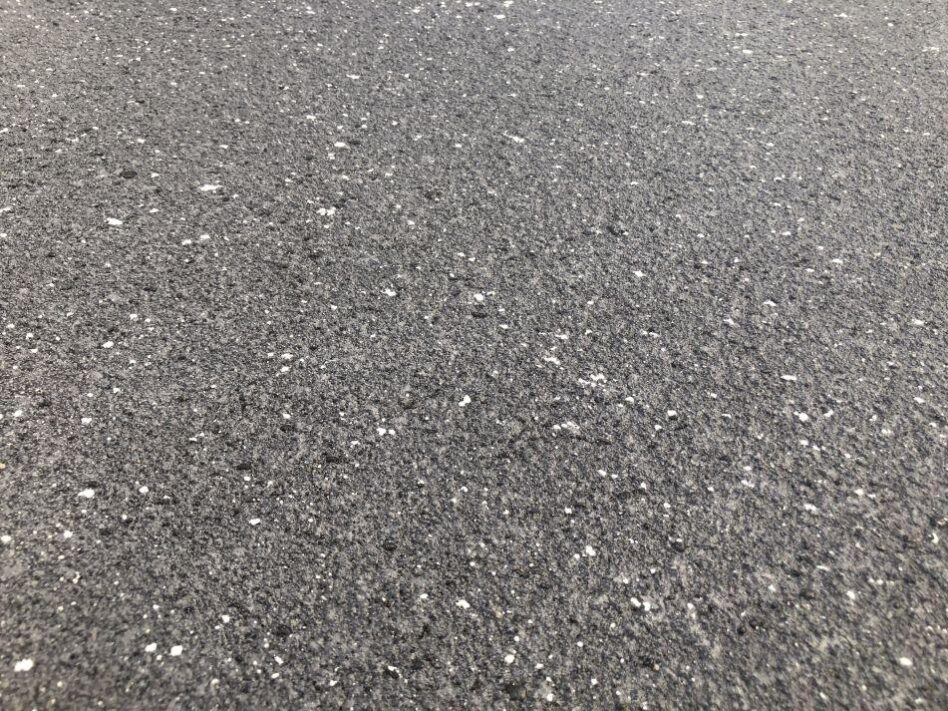
Concrete resurfacing for an exposed-aggregate look applies a thin layer of covercrete over your existing concrete, finished with a flecked, textured concrete finish that closely mimics the salt-and-pepper look of exposed aggregate. At my house, I used French Grey with black and white flecks to get exactly that look, and it saved pulling up and carting away the old slab.
True exposed aggregate means pouring new concrete with stones, pebbles and sand set into the surface, then washing back the top layer to expose them. It gives an authentic texture you can feel underfoot, but it is a full pour. Spray Your Concrete resurfaces existing concrete rather than pouring new slabs, so for genuine exposed aggregate you would engage a concreter.
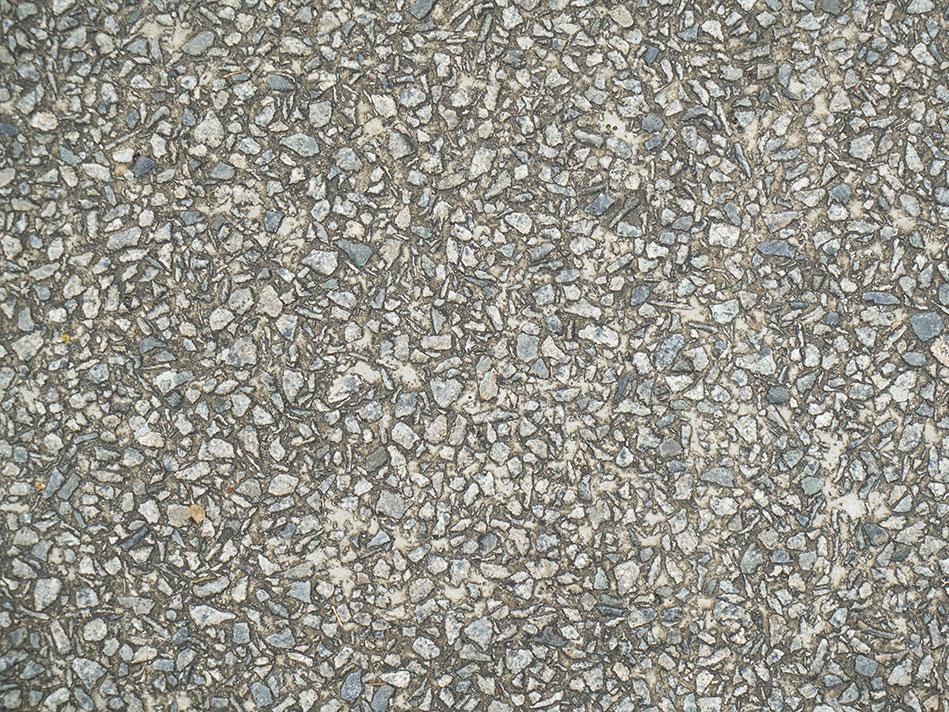
One more case worth knowing: if your existing surface is already tired exposed aggregate or pebblecrete, resurfacing over the existing aggregate is usually the most cost-effective way to refresh it without a new pour.
Cost: Concrete Resurfacing vs Exposed Aggregate
Cost is usually the deciding factor. Resurfacing with Spray Your Concrete starts from $50 per square metre including labour, because there is no demolition or disposal. We work over the slab you have already got, provided it is structurally sound and suitable for resurfacing.
New exposed aggregate is dearer. Materials alone run roughly $120 to $180 per square metre, plus labour around $70 an hour. If an old surface has to come up first, removal and disposal can add another $45 to $60 per square metre. These figures are general estimates only, because new concrete costs vary with site access, slab thickness, excavation, drainage, concrete supply, reinforcement and finish.For a structurally sound existing slab, resurfacing is usually the far cheaper route to a similar look. For a fuller breakdown, see what resurfacing costs per square metre.
Which Lasts Longer?
Both surfaces can wear well outdoors. Prepped and sealed properly, a resurfaced surface holds up for years of traffic and weather. The Step Safe Heavy Duty system I use carries a 7-year Shieldcoat manufacturer warranty against flaking, peeling and cracking, so as long as the prep is done right, it lasts. Exposed aggregate is hard-wearing too, especially when it is poured, finished and sealed correctly.
The honest catch with resurfacing is that it is only as sound as the slab underneath. If the existing concrete is cracked, moving or sinking, that has to be dealt with first. No overlay, however good, can permanently fix structural movement underneath. Both resurfacing and exposed aggregate also need resealing every year or two to keep them looking right.
When Concrete Resurfacing Is Not Suitable
Concrete resurfacing is not the right answer for every slab. If the existing concrete is badly cracked, actively moving, sinking, crumbling, drummy, moisture-affected or structurally unsound, it may need repair or replacement before any coating will hold properly. Resurfacing is a cosmetic and protective overlay, not a structural fix.
This is why I prefer to check the slab in person before giving a firm answer. If the base is sound, resurfacing can be a smart way to get the exposed-aggregate look for less. If the base is failing, pouring new concrete may be the better long-term call.
Aesthetics: Can Resurfacing Look Like Exposed Aggregate?
Close, yes, but not identical. A flecked covercrete finish blends two or three colours to mimic the salt-and-pepper look of exposed aggregate, and from standing height most people cannot pick the difference. You also get more colour control: you choose the base and fleck colours to suit the house, rather than being limited by the stone in the concrete mix.
True exposed aggregate wins on authentic texture. The stones are real and you feel them underfoot. Resurfacing wins on custom colour control, lower disruption and working with the concrete you already have. If the look matters more than the literal stone texture, resurfacing gives you more say.
Installation Time and Disruption
Resurfacing is the quicker, cleaner job. It is usually completed in a day or two, with the surface ready to use soon after. New exposed aggregate is a bigger undertaking: remove the old surface if required, prepare the base, pour the new slab, expose the aggregate, then wait out the cure. Depending on the job, that can mean several days to a week or more before normal use. If downtime matters, resurfacing wins comfortably.
Maintenance and Slip Resistance
Both options are low-maintenance when they are sealed and looked after properly. A reseal every one to two years protects against wear, staining and weather, and the odd hose-down or sweep to clear leaves and dirt keeps either surface looking its best. Sealing is the one job not to skip, because it helps the colour and finish hold up under Gold Coast sun.
Both surfaces can also provide good slip resistance when finished and sealed correctly. That matters for driveways, paths, patios and pool surrounds. The final grip depends on the texture, sealer and finish, so it should be discussed during the quote, especially around wet areas.
Which Should You Choose?
Choose resurfacing if your existing concrete is structurally sound and you want the exposed-aggregate look for less, faster, and with more colour choice. It is ideal for refreshing driveways, patios and pool surrounds without the mess and cost of removing the old slab.
Choose new exposed aggregate if you are starting from scratch, need a new slab anyway, or specifically want the authentic stone texture and are happy to pay for it. For most homeowners with a good slab already in place, resurfacing is the practical call.
Comparison Chart: Concrete Resurfacing vs Exposed Aggregate
Use this quick comparison as a guide, then confirm the right option with an on-site assessment of the existing concrete.
| Criteria | Concrete Resurfacing | Exposed Aggregate |
| Description | Flecked covercrete overlay over existing concrete, designed to mimic the exposed-aggregate look. | New concrete poured with stones and pebbles exposed on the surface. |
| Cost | From $50/m², with no demolition or disposal when the existing slab is suitable. | Around $120-$180/m² for materials, plus labour and possible removal/disposal if replacing an old surface. |
| Installation | Usually a day or two with minimal downtime. | Several days to a week or more, including preparation, pour and cure time. |
| Durability | Hard-wearing when prepped and sealed correctly; backed by a 7-year Shieldcoat product warranty; only as sound as the slab beneath. | Hard-wearing natural surface; best when a full new slab is required or desired. |
| Maintenance | Reseal every 1-2 years and clean as needed. | Reseal every 1-2 years and clean as needed. |
| Slip resistance | Good slip resistance when textured and sealed correctly; discuss finish for wet areas. | Naturally textured and generally slip-resistant when finished and sealed correctly. |
| Colour and looks | High colour control, including salt-and-pepper and custom flecked finishes. | Authentic stone texture, but less colour control. |
| Best for | Refreshing a structurally sound existing slab for less. | New builds or full replacements where authentic stone texture is the priority. |
Concrete Resurfacing vs Exposed Aggregate: FAQs
Is concrete resurfacing cheaper than exposed aggregate?
Concrete resurfacing is usually much cheaper than new exposed aggregate. Resurfacing starts from around $50 per square metre because it works over your existing slab, while new exposed aggregate runs roughly $120 to $180 per square metre in materials alone, before labour and any removal. For a sound existing surface, resurfacing is the more budget-friendly way to get the look.
How long does concrete resurfacing last compared to exposed aggregate?
A resurfaced surface lasts for years when it is prepped and sealed properly. The Step Safe Heavy Duty system carries a 7-year Shieldcoat manufacturer warranty against flaking, peeling and cracking. Exposed aggregate is long-lasting too. The main difference is that resurfacing depends on the slab beneath staying sound, so any cracking, sinking or movement needs to be assessed first.
Can concrete resurfacing be made to look like exposed aggregate?
Yes. A flecked covercrete finish blends two or three colours to mimic the salt-and-pepper look of exposed aggregate, and from standing height it is hard to tell apart. You also get more control over colour than you do with real aggregate. What it cannot fully replicate is the raised stone texture you feel underfoot.
Is exposed aggregate or resurfacing better for a driveway?
For most existing driveways, resurfacing is the better-value choice. It is cheaper, faster and lets you pick the colour, provided the slab is structurally sound. New exposed aggregate makes more sense when you are pouring a new driveway anyway or specifically want the authentic stone texture. Both can offer good slip resistance for vehicle and foot traffic when finished correctly.
Can you resurface old exposed aggregate or pebblecrete?
In many cases, yes. If the existing exposed aggregate or pebblecrete is stable and suitable for coating, resurfacing can refresh the surface without removing and replacing the whole slab. The surface still needs to be inspected first, because loose, failing or moving concrete will need attention before resurfacing.
The Bottom Line
For a slab that is still sound, resurfacing gets you the exposed-aggregate look for a fraction of the cost of a new pour, usually finished in a day or two. If the slab is failing or you want the true stone texture underfoot, new exposed aggregate may be the better choice. If you would like a straight answer on whether resurfacing will work for your driveway, patio or pool surround, I do free on-site quotes across the Gold Coast to Redlands. Enquire about concrete resurfacing on the Gold Coast by calling us on 1800 954 449.

